SIM Card in Georgia: Mobile Internet Guide for Tourists
Best SIM card in Georgia for tourists — Magti, Silknet, Cellfie plans, eSIM options, mountain coverage, and where to buy in Tbilisi.
Mobile internet in Georgia is genuinely cheap — an unlimited 4G plan for a month costs just 30–50 GEL (~$11–18), and coverage reaches most mountain routes. The key is picking the right operator for your itinerary and not overpaying at the airport kiosk. Here's everything you need to know, without the filler.
Three operators: who does what
Georgia has three major mobile networks:
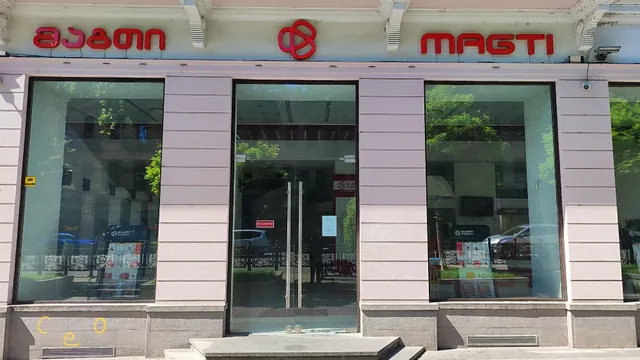
Magti (MagtiCom) — the market leader. 4G coverage is claimed at 99% of populated territory, including the mountain regions of Kazbegi and Svaneti. This is the go-to operator if you're leaving the cities. Along the Georgian Military Highway from Tbilisi to Stepantsminda, Magti holds signal almost without interruption. In central Tbilisi, speeds hit 50–100 Mbps.
Silknet (formerly Geocell) — the solid second choice. Stable coverage in cities and on main tourist routes, reliable up to about 2,600 m elevation. Deep gorges can drop signal. A good pick if your trip covers Tbilisi, Batumi, and the standard tourist corridors.
Cellfie (formerly Beeline Georgia) — the budget option for city stays. Cheapest short-term packages, but noticeably weaker outside urban areas. Fine if you're staying in Tbilisi and have no plans to venture far.
The short version: renting a car and heading into the mountains? Get Magti. Staying in Tbilisi? Cellfie will do the job for less.
Prices: what a SIM card actually costs
The SIM card itself costs 2–10 GEL (under a dollar for a blank Magti or Silknet card; slightly more if it comes pre-loaded with a starter pack). You top up the balance and activate a plan from there.
Magti — tourist packages:
- 15 GEL (~$5.50) — 5 GB + unlimited SMS, 15 days
- 30 GEL (~$11) — 20 GB + local calls, 15 days
- 50 GEL (~$18) — unlimited data + 500 minutes, 30 days
Silknet:
- 5 GEL — 800 MB
- 15 GEL — 6 GB
- 37–40 GEL — unlimited, one month
Cellfie:
- 3 GEL — 1.5 GB for 14 days
- 6 GEL — 4 GB for 14 days
- 15 GEL — 30 GB for 14 days
Prices are accurate for 2025–2026 but may shift — always double-check on the operator's website before buying.
⚠️ Note: the same packages cost 20–30% more at the airport. If you're not in a rush, wait and buy your SIM in the city.
Where to buy a SIM card in Tbilisi
You'll need your passport — Georgian law requires all SIMs to be registered to an ID document. Any foreign passport works.
Tbilisi airport (TBS): Magti and Silknet kiosks are right at the arrivals exit. Convenient if you want connectivity straight away, but you'll pay a premium.
In the city — best spots:
- Rustaveli Avenue and surrounding streets — dozens of small resellers
- Marjanishvili metro area — high density of kiosks
- Old Town (Abanotubani, Metekhi) — available, but often marked up for tourists
- Electronics chains Zoommer and Metromart — official prices, no markup
- Supermarkets Carrefour and Goodwill — carry SIMs at standard rates
Operator offices keep weekday hours. Street kiosks are open nearly around the clock. Staff in tourist zones generally speak English.
eSIM: connect before you even land
If your phone supports eSIM — and most devices released after 2018 do — you can buy a virtual SIM online before your trip and activate it the moment you land.
Popular services for Georgia:
- Airalo — from ~$2–5 per GB, runs on the Magti network, clean app experience
- Holafly — flat daily rate for unlimited data, popular with European and American travelers
- Yesim — competitive GB-based pricing, wide international support
The upside is obvious: no queues, no passport needed, no hunting for a shop. The downside: eSIM plans run 2–3x more expensive than a local physical SIM for the same data volume. For a long weekend or a week? A fair trade-off. Staying a month? Buy a Magti SIM in the city.
Most international cards (Visa, Mastercard) work fine for eSIM purchases on all major platforms.
Coverage outside Tbilisi: what to expect on the road
If you're renting a car and exploring Georgia beyond the capital, coverage becomes a real practical question. We cover routes like these regularly: Tbilisi to Kazbegi, Kakheti wine country, the road south to Batumi — each road is different, and so is the signal.
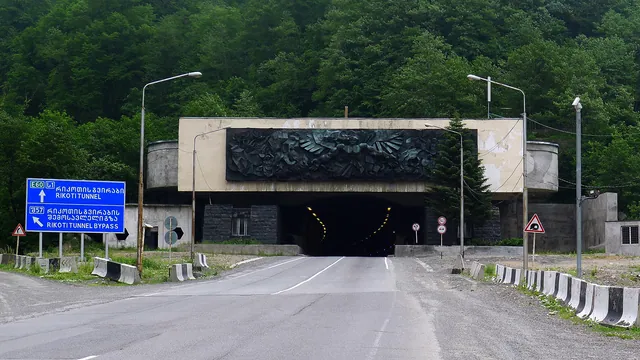
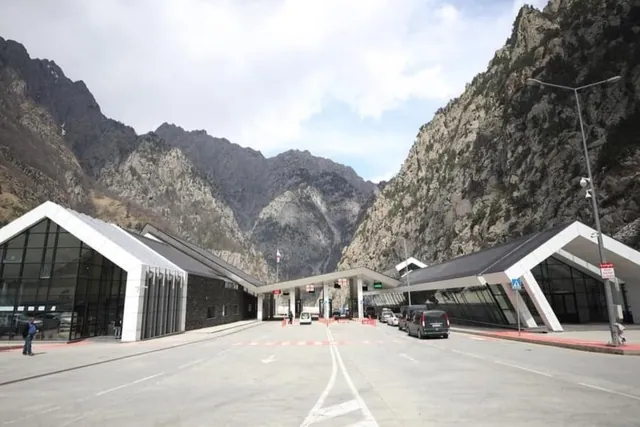
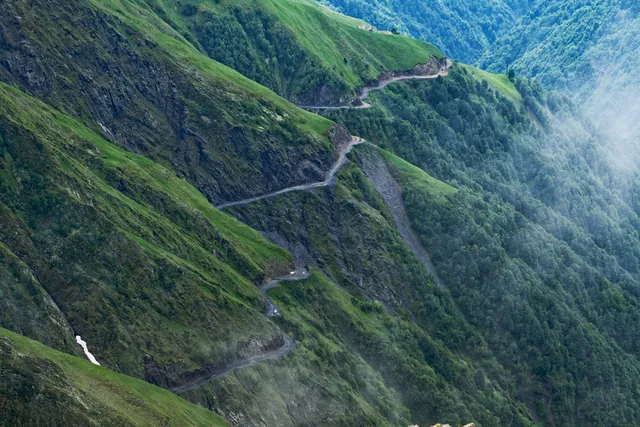
Georgian Military Highway (Tbilisi → Kazbegi): Magti holds signal almost continuously. Silknet is stable on the main stretches but can drop in gorges. Cellfie has gaps.
Kakheti (Sighnaghi, Telavi): all three operators work well, 4G throughout.
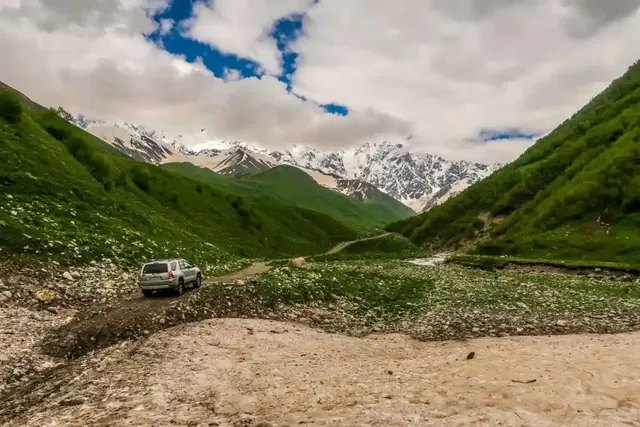
Western Georgia (Kutaisi, Batumi, Mestia): Magti and Silknet cover the main highways. In Svaneti, signal exists in Mestia itself but becomes unreliable in remote villages across all networks.
Vardzia and the south: coverage along the highway is fine; inside the cave complex it can weaken.
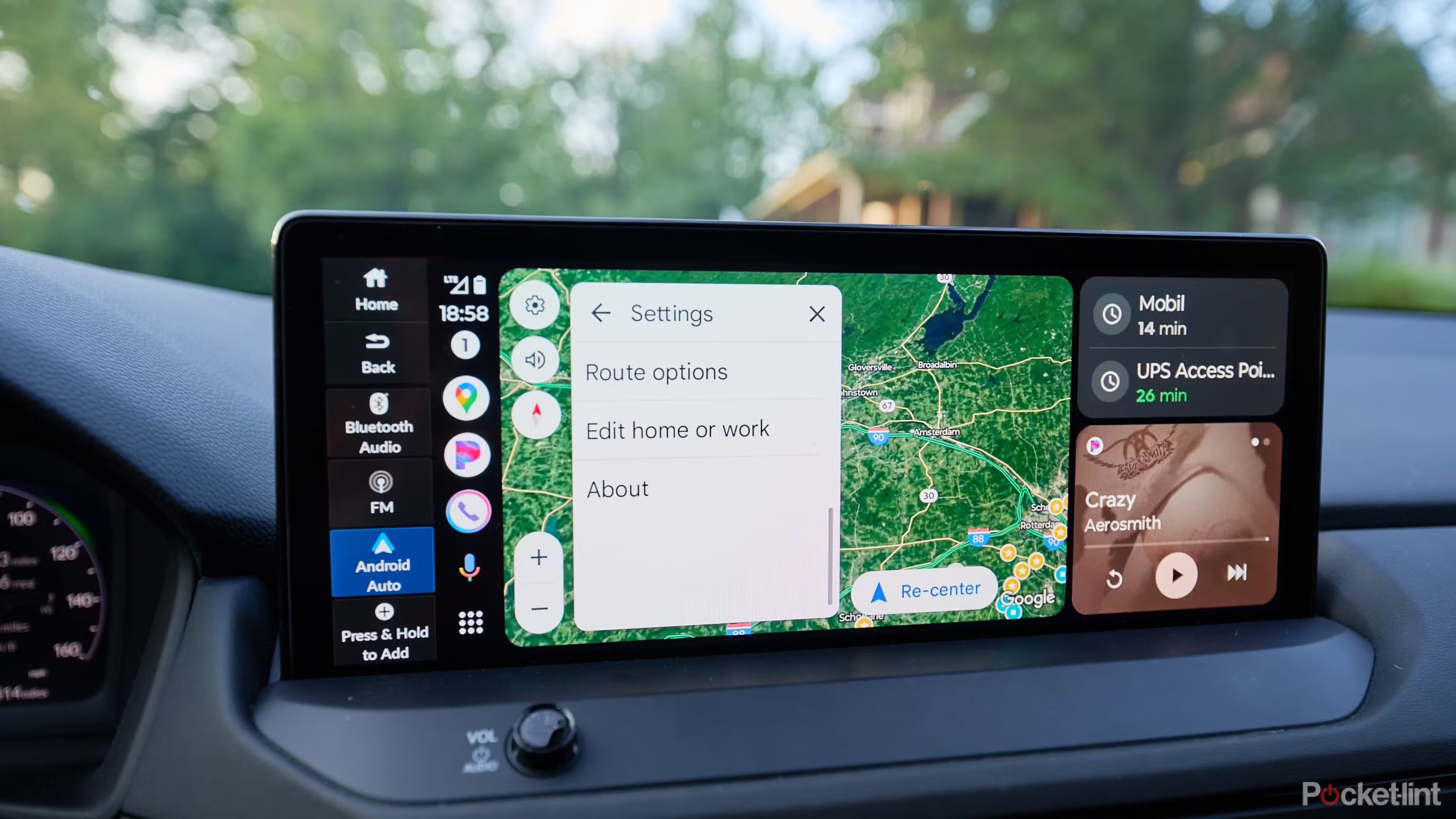
One rule that holds everywhere: download offline maps in Google Maps or Maps.me before you leave. Mountain gorges can kill signal even on Magti — and you don't want to find that out mid-navigation.
Topping up and a few practical tips
How to top up:
- Via the operator's app (Magti App, Silknet App)
- At payment terminals — found in every supermarket and petrol station
- Online on the operator's website — Magti and Silknet accept Visa and Mastercard
Things that save time and money:
- Don't buy from the first kiosk you see at the airport — compare prices at a few spots. The same package can vary by 50% depending on where you buy it.
- Skip the unlimited plan for a 3–4 day trip — Magti's 20 GB for 30 GEL over 15 days covers everything you'd need.
- Check that your plan doesn't expire mid-trip — 15-day packages have a way of running out at the wrong moment. A 30-day plan with room to spare is often the smarter call.
- Use an eSIM as a bridge — activate it on the plane, then buy a proper local SIM once you're settled in Tbilisi.
- Download offline maps before you go — especially if you're driving into the mountains. Navigation needs to work without a signal.
Wi-Fi in Georgia
Tbilisi has solid Wi-Fi coverage: cafés, hotels, apartments, the metro, and shopping malls all offer it reliably. Free public Wi-Fi runs in several parks and along the main streets. Smaller towns are less consistent — mobile data is the safer bet. In mountain villages, Wi-Fi exists but quality is unpredictable: home internet infrastructure is patchy across much of rural Georgia.
What to go with
For most visitors the answer is straightforward: Magti at 30–50 GEL if you're heading outside Tbilisi and need reliable navigation; eSIM if you want connectivity from the moment you land and don't want to lose time finding a shop. Either way, buy in the city rather than the airport — you'll save 20–30% for the exact same thing. And download those offline maps. Mountain Georgia is worth every kilometer, but mobile signal up there still has its own ideas.